Medical Ministry International in Ethiopia

Ethiopia is Africa's oldest independent country and has the second largest population. Apart from a five-year occupation by Mussolini's Italy, it has never been colonized. It has a unique cultural heritage, being the home of the Ethiopian Orthodox Church—one of the oldest Christian churches—and a monarchy that ended only in the coup of 1974. It served as a symbol of African independence throughout the colonial period, and was a founder member of the United Nations and the African base for many international organizations.
Medical Ministry International has partnered with HOPEthiopia, an organization based in Calgary, Alberta, that is committed to restoration of both the people and the land of Ethiopia. Medical Ministry International has been working together with HOPEthiopia to bring primary care, dental care, and vision services to the country since in 2015.
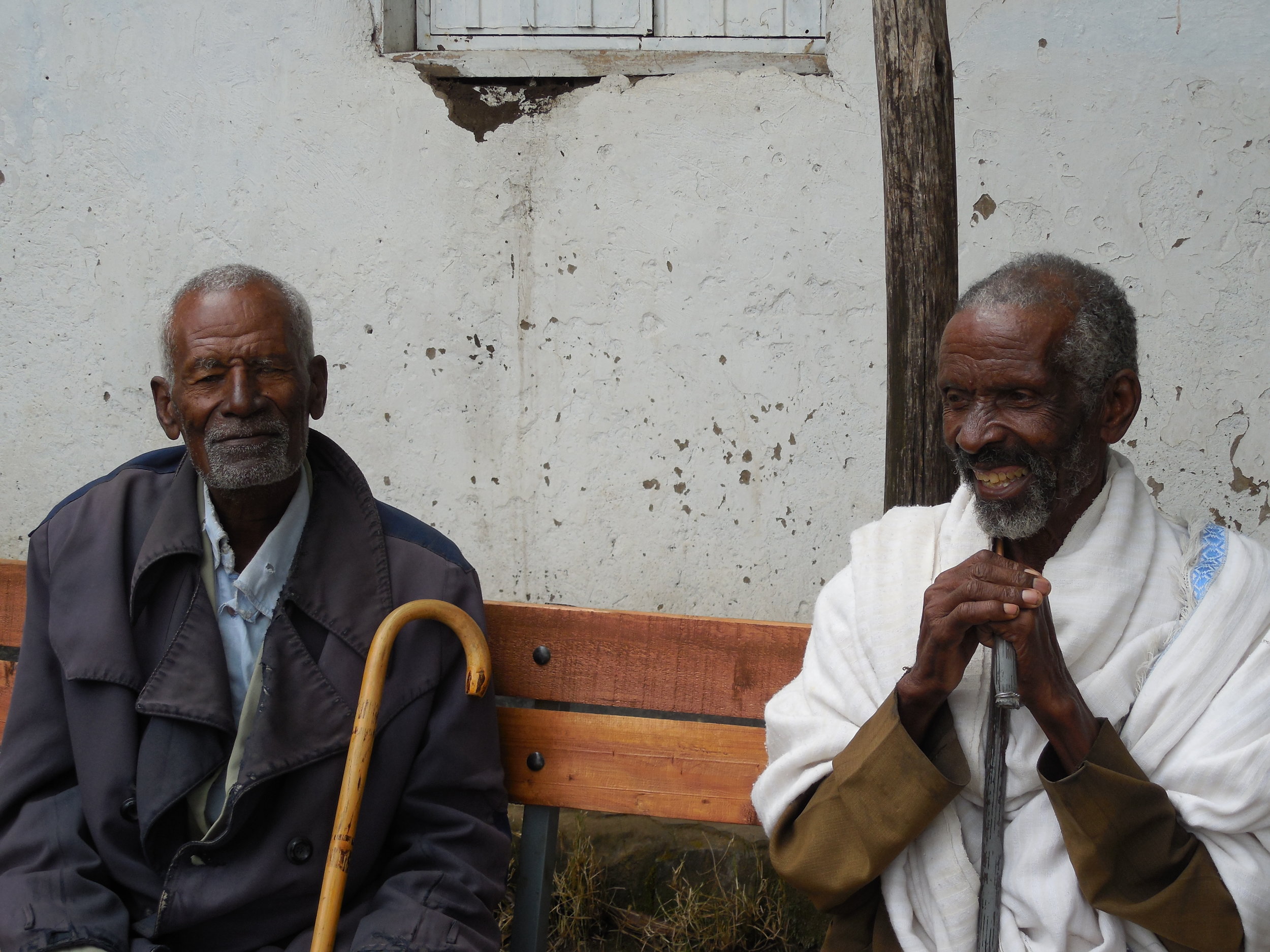
HOPEthiopia works in several areas within the country: community development, sustainable agriculture, peace gardens, and reforestation. HOPEthiopia specifically works with orphaned children and elderly pastors, both very vulnerable populations.

Project Site:
-
Harbu Chulule is a small region about 100km away from the capital Addis Ababa in the centre of Ethiopia, which is located in the Horn of Africa. Ethiopia is a landlocked country, and has suffered from drought and deforestation, thus food and water scarcity affect most residents. Many families rely on intermittent shipments from the World Food Programme. Water-borne illnesses are highly prevalent. There is a massive shortage of physicians in the country.
Project Description
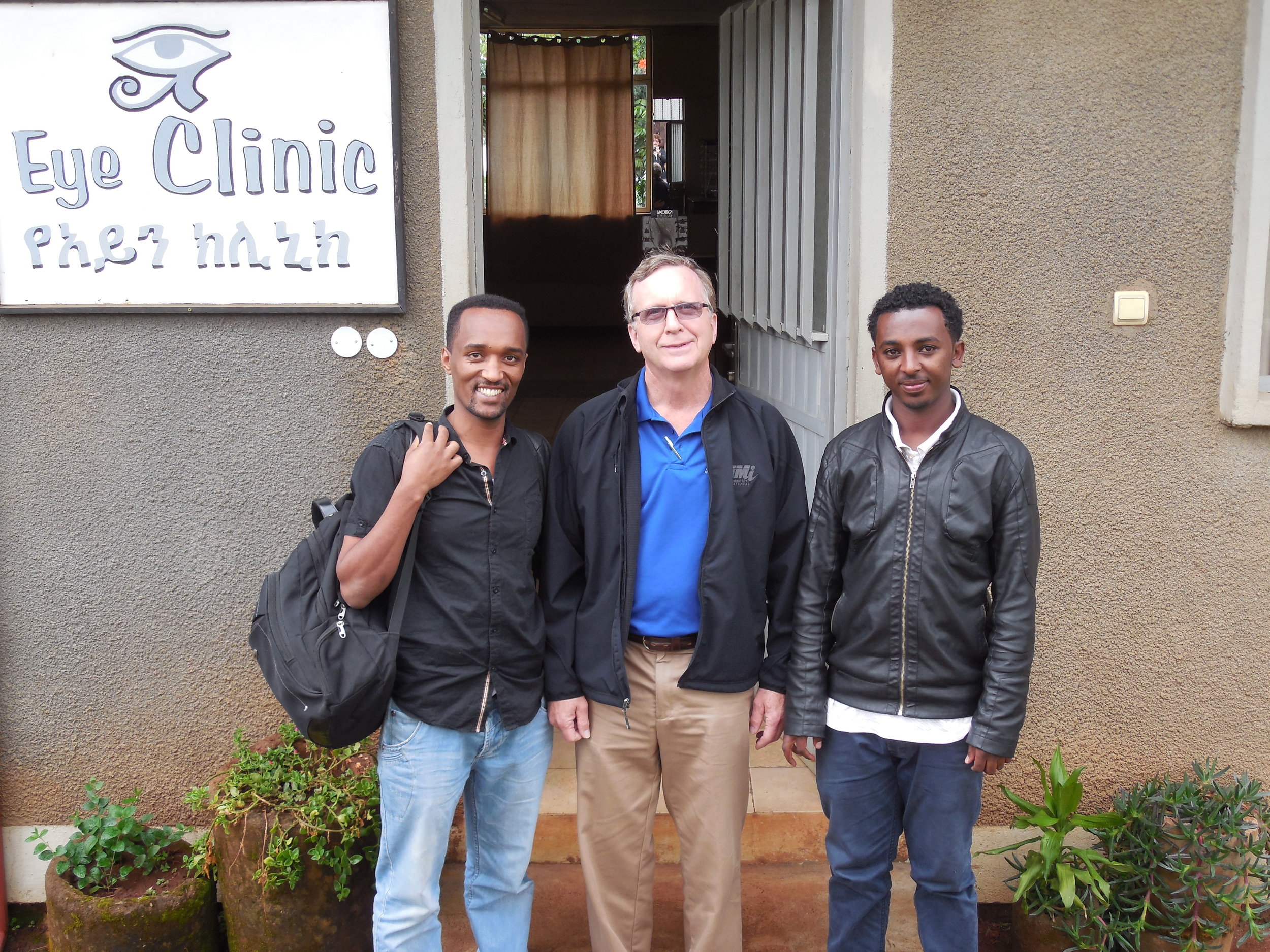
These are optical and surgical projects in which the main clinic and surgery days are held at Harbu Chulule Health Center, Oromiya Regional State, about a ten minute walk from the Hopethiopia Volunteer facility. Patients are offered vision screenings, diagnosis, refractions, glasses, and scheduled for surgeries. We work with a local medical staff the first week and our MMI team members provide surgery during the second week. Small collections of Rx eyeglasses are prepared for the projects, along with reading glasses for those who require glasses after their consult.
Elevation
2450 m (8000 ft)
Climate
Climate - Semi-arid highland.
Dry season: October - February. Dry and temperate.
Wet season: March - September. Wet and temperate.
Average High: 21°C (70°F) - Average Low: 10°C (50°F)
About 50% Sunny and cloudy, Normal precipitation: 117mm/4.6 in rainfall
Travelling on a Project
-
Travelers must present a passport, which must be valid for at least six months beyond the date of expected departure. Proof of yellow fever vaccination is required, if you have visited a country where yellow fever occurs.
• Americans: For more information, see the US State Department website:
https://travel.state.gov/content/passports/en/country/ethiopia.html
• Canadians: Our team members with the exception of the Ophthalmologists, will be able to obtain tourist visas, which are required, for $50 USD, upon arrival at the airport in Addis Ababa. Visitor/Tourist visas are valid for 3 months from the date of issue (not the date of arrival). For more information on the visa application process, please check this website:
http://www.ethioembassycanada.org/consular-service/visa-services
Please check the following website for the most current entry/exit requirements:
https://travel.gc.ca/destinations/ethiopia
• International: Please contact MMI office or Key Travel (formerly Raptim Humanitarian Travel) for visa requirement if needed. -
Please email ALL CREDENTIALS upon application, as these must go to the Project Director in the country to be translated and then taken to the Ministry of Health to get temporary licenses prior to your arrival.
• For everyone, we need:
- Colour Scan / Photocopy of Passport (photo page)
- Colour photo for your name badge (any good photo, we can adjust size)
- Travel Itinerary
- Supply Lists
• Medical Professionals, we also need your:
- Current License (through time of project)
- Diploma (Techs, Nursing, Dental, MD and Board Certifications)
- Curriculum Vitae or Resume (this also will help the Project Director know your skills & experience to assign you a task on the project, especially for 1st time participants)
• Health Care Students: Letter of Good Standing from your school (including year of study and graduation date).
• All MINORS travelling with only one parent, or without their parents, will need a letter from BOTH parents stating that it is OK for the child to travel with one parent or an appointed guardian. The letter should be signed and notarized. MMI needs a copy of this letter, and the parent or guardian should carry the original letter while travelling. -
Airfare is not included on the Project Schedule because the costs for airfare vary significantly based on the country location, location of team members, and time of year.
Once accepted for a Project Team, participants can contact our designated travel agent to coordinate schedules with the team itinerary.
Globespan Travel Management www.globespan.com
Email: Globespan on behalf of Medical Ministry International mmitravel@globespan.com
Phone: Connie Kelsey at: (800) 810-1948 or (416) 322-7629
• Applicants from outside USA or Canada:
Travel arrangement can be procured locally or with the recommended agency, but arrivals & departures must coordinate with team.
• Airport: Addis Ababa Bole International Airport (ADD) -
We strongly recommend that you consult a travel clinic, as they are aware of outbreaks and can suggest preventative immunizations. All routine immunizations should be up-to-date. Please check the following website for the most current information.
Americans: https://wwwnc.cdc.gov/travel/destinations/traveler/none/ethiopia
Canadians: https://travel.gc.ca/destinations/ethiopia -
MMI will arrange local accommodations for the team.
• Laundry Service: usually available for additional fee
• AC/Heat: dependent on location
• Phone Service: check with your cell phone provider, roaming is very expensive
• Wifi/Internet: Yes
• Voltage: 220V(adaptor and converter required).
• Meals: MMI will provide meals for the team. Dietary restrictions can be indicated on your application and we will do our best to accommodate your needs. Be sure to bring your own re-usable water bottle with a wide mouth for refilling. Purified water is supplied. If you would like to bring snacks to have throughout the day, please bring items such as peanut butter, granola bars, trail mix or pretzels and crackers in sealable containers (like Ziploc bags). -
• Language: Oromo 33.8%, Amharic (official) 29.3% and other indigenous languages
• Religion:
- Ethiopian Orthodox: 43.5%
- Muslim: 33.9%
- Protestant: 18.5%
- Other: 3.6%
• Government: Federal Parliamentary Republic -
The money in Ethiopia is the Ethiopian birr. Currency exchange should be available in Addis upon arrival. All major credit cards are accepted in Addis - Visa and MasterCard the most widely accepted (make sure to call your credit card company and let them know that you’ll be traveling internationally). Traveler’s cheques are not easily cashed. You must bring US dollars in good condition. Torn, stamped or old bills will not be exchanged. $100 bills older than 2006 are also not accepted.

Barbara Skinner, Vision Program Coordinator
About Ethiopia
COUNTRY BACKGROUND
Ethiopia, officially the Federal Democratic Republic of Ethiopia, is a country located in the Horn of Africa. Ethiopia has a population of 87.9 million with over 80 ethnic groups, the two largest of which are the Oromo and the Amhara. Ethiopia uses the ancient Ge'ez script, which is one of the oldest alphabets still in use in the world. A majority of the population adheres to Christianity, whereas around a third follows Islam.
The economy of Ethiopia was one of the fastest growing, however since severe droughts in 2009, agriculture has been severely impacted, specifically the main exports of coffee and maize. Still, agriculture constitutes around 85% of the labour force. Inflation rates as high as 40% led to subsequent difficulty with debt repayments and slowdown of growth. About 16% of the population in Ethiopia are living on less than one dollar per day. Major droughts have also affected the health status of the country: only 65% of rural households in Ethiopia consume the minimum standard of food per day , with 42% of children under 5 years old being underweight. This has led to high amounts of infectious disease that are exacerbated by poor sanitation, malnutrition, and co-habitation with livestock. Emigration of skilled professionals has resulted in a 'brain drain' in the country, and a severe shortage of skilled health professionals. It is estimated to have 1 physician for every 100, 000 persons, with most professionals concentrated in the capital. Despite this, infant mortality continues to decrease and rests at 8%, while life expectancy continues to increase: it is currently 58 years.
LOCATION:
Eastern Africa, west of Somalia
GEOGRAPHIC COORDINATES:
8 00 N, 38 00 E
MAP REFERENCES:
Africa
TOTAL AREA:
1.104 million km²
BORDER COUNTRIES:
Djibouti, Eritea, Kenya, Somalia, South Sudan, Sudan
COASTLINE:
0 km (landlocked)
MARITIME CLAIMS:
None (landlocked)
CLIMATE:
Varies with altitude; tropical monsoon in lowlands, semi-arid temperate steppe in mountains
TERRAIN:
High plateau with central mountain range divided by Great Rift Valley
ELEVATION EXTREMES
LOWEST POINT:
Danakil Depression -125 m
HIGHEST POINT:
Ras Dejen - 4,533 m
